Introduction
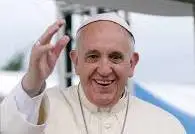
Pope Francis, born Jorge Mario Bergoglio, made history as the first pope from the Southern Hemisphere, the first Jesuit pope, and a transformative leader who redefined the papacy with his humility and progressive vision. From his early days in Argentina to his global influence, his papacy (2013–2025) was marked by bold reforms, interfaith dialogue, and a relentless focus on social justice, climate change, and inclusion.
Early Life and Jesuit Formation
Born on December 17, 1936, in Buenos Aires, Argentina, Bergoglio was the son of Italian immigrants. Before entering the priesthood, he worked as a chemical technician and even as a bouncer and janitor16.
- 1958: Joined the Society of Jesus (Jesuits) and took vows of poverty, chastity, and obedience.
- 1969: Ordained as a priest, later serving as Jesuit Provincial Superior in Argentina during the turbulent Dirty War (1976–1983), where he sheltered political refugees3.
- 1992: Became Auxiliary Bishop of Buenos Aires, then Archbishop (1998), and Cardinal (2001) under Pope John Paul II.
Election as Pope and Historic Firsts
On March 13, 2013, Bergoglio was elected pope after Benedict XVI’s resignation, choosing the name Francis in honor of St. Francis of Assisi, the patron saint of the poor. His election broke multiple barriers:
- First non-European pope since the 8th century.
- First Latin American pope.
- First to reject lavish papal traditions, opting to live in Domus Sanctae Marthae instead of the Apostolic Palace.
Key Achievements of Pope Francis
1. Social Justice and Poverty Advocacy
- Championed a “Church for the Poor”, criticizing trickle-down economics and consumerism.
- Advocated for refugees, calling migration a “civilizational duty” and condemning anti-immigrant policies.
2. Environmental Stewardship
- Laudato Si’ (2015): Landmark encyclical on climate change, calling for global action against environmental degradation.
- Promoted sustainability and Indigenous rights, framing ecology as a moral imperative.
3. Church Reforms
- Decentralized Vatican authority, empowering bishops and laypeople in governance.
- Financial transparency: Reformed the Vatican Bank, cracking down on corruption.
- Synod on Synodality: Encouraged open dialogue on LGBTQ+ inclusion, women’s roles, and divorced Catholics.
4. LGBTQ+ and Interfaith Outreach
- Famously said, “Who am I to judge?” regarding gay Catholics, signaling a pastoral shift.
- Strengthened ties with Muslim, Jewish, and Orthodox Christian leaders.
5. Clergy Abuse Accountability
- Established commissions to investigate abuse, met survivors, and defrocked abusive clergy.
Final Days and Legacy
Pope Francis passed away on April 21, 2025, at age 88, after suffering a stroke. His last public appearance was on Easter Sunday, symbolizing his enduring commitment to service.
His legacy endures through:
- Global humanitarian influence (e.g., U.S.-Cuba diplomacy)6.
- Modernizing the Church while upholding tradition.
- Inspiring millions with his humility and compassionate leadership.
Pope Francis redefined the papacy for the 21st century, blending progressive reforms with deep spiritual conviction. From Laudato Si’ to his synodal approach, his impact on the Catholic Church and the world remains unparalleled.