

A Detailed, Updated Overview from India & Around the World
Key Observances & Important Days
World AIDS Day 2025


- Worldwide, 1 December marks World AIDS Day. The theme for 2025 is “Overcoming disruption, transforming the AIDS response.” This focuses on strengthening healthcare systems, ensuring continuous support even amid crises, and ensuring access to HIV prevention and treatment services.
- In India, the day was observed with public awareness campaigns under the aegis of National AIDS Control Organisation (NACO), aiming to reduce stigma, promote testing, and ensure treatment access.
Nagaland Statehood Day — 1 December 2025


1December also marks the anniversary of the statehood of Nagaland, which became India’s 16th state on 1 December 1963.
- As per recent current-affairs updates, State-level events were organized, including commemorative ceremonies and cultural showcases to honor Nagaland’s formation and its journey over decades.
National & International Affairs
International Maritime Organization (IMO) Council — India Re-elected with Highest Votes
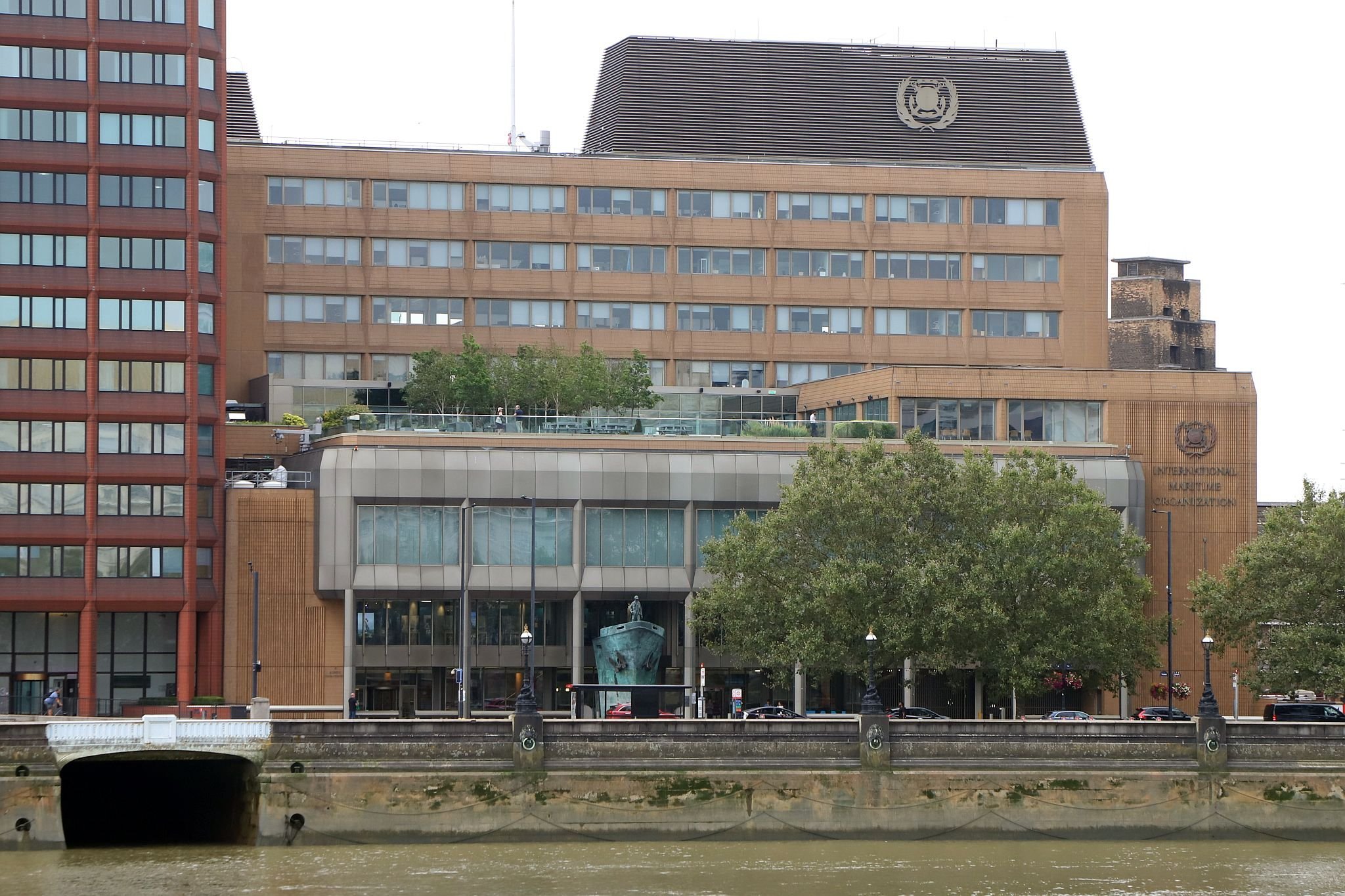

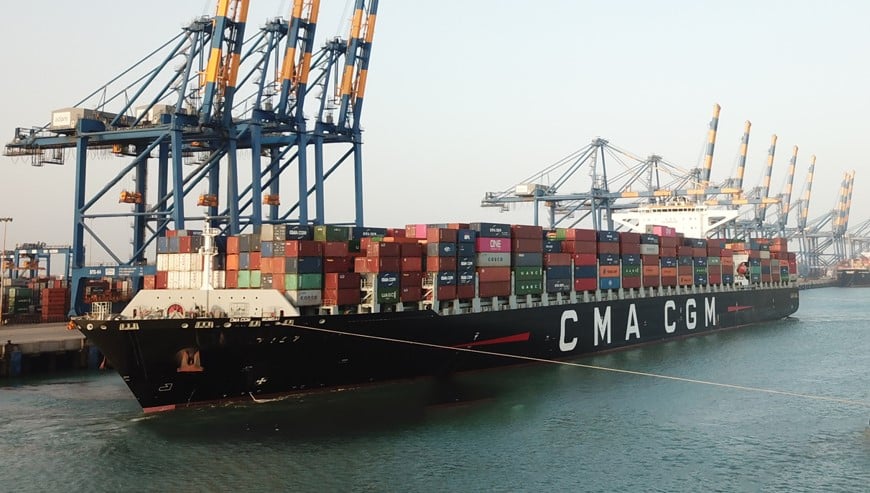

- On 1 December 2025, reports confirm that India secured re-election to the IMO Council in Category B — with the highest vote tally (154 out of 169 votes).
- Category B in the IMO Council represents countries with significant interest in international maritime trade. This re-election underscores India’s growing importance in global shipping, maritime governance, and its ambitions under the maritime vision for coming decades.
- Implications: Strengthened Indian influence on global maritime norms; better amplification of India’s stance on maritime safety, sustainable shipping, and blue-economy initiatives.
Skill & Youth Development — WorldSkills Asia Competition (WSAC) 2025
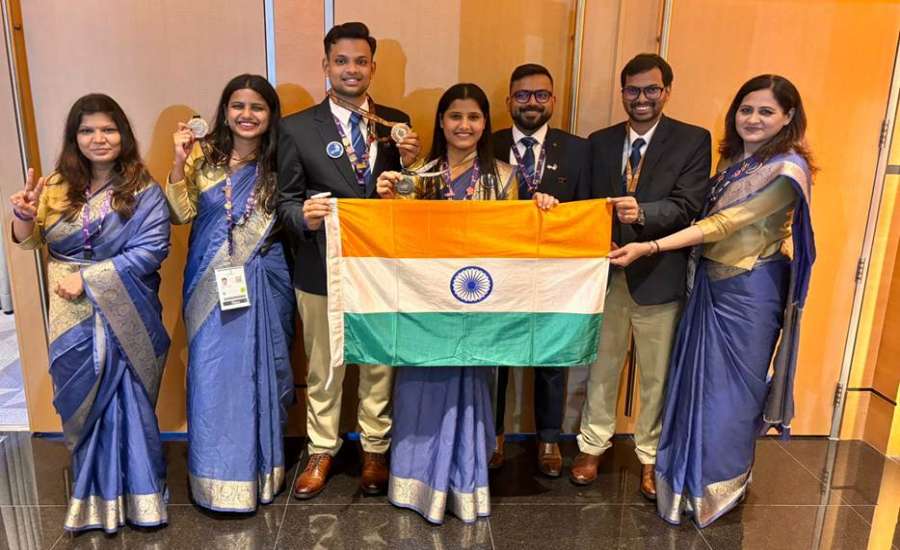

- India made its debut at WSAC 2025. Despite being first-time participants, Indian contestants managed to secure 1 Silver, 2 Bronze, and 3 Medallions for Excellence, and earned an overall 8th place ranking among participating countries.
- This performance is a positive sign for India’s focus on vocational training, emerging trades, and youth skill development — reflecting a push towards enhancing employability and technical education.
Economy, Finance & Policy Updates
Record Agricultural Output — 357 Million Tonnes of Foodgrains


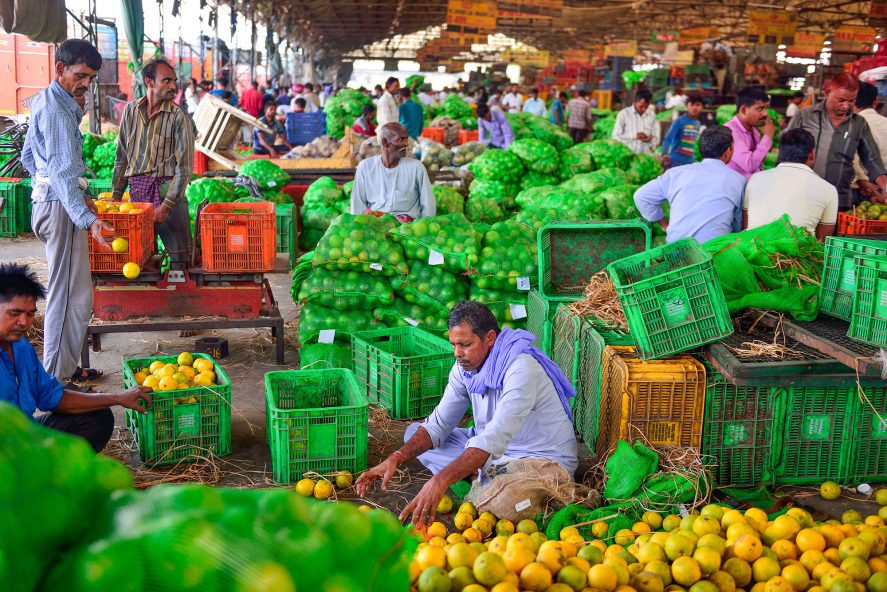
- The 2025 foodgrain output for India has reportedly reached a record 357 million tonnes, marking a historic achievement in agricultural production.
- This surge is credited to factors such as expansion of irrigation, improved farming practices, government support schemes, and better outreach to rural farmers.
- Broader Significance:
- Strengthens food security for India’s large population
- Offers stability to rural income and farm livelihoods
- Helps in controlling inflation of food items and provides buffer for buffer-stock or exports
Foreign Aid & Development Financing: Loan Deal with Asian Development Bank (ADB)


- Recent reports indicate that India signed an USD 800+ million loan agreement with ADB aimed at financing multiple development projects including clean energy, urban transport, skill development, and ecological restoration across several states.
- The funding is expected to support solar-powered irrigation, metro projects, skill-upgradation programs, and revival of wetlands and fisheries — underlining India’s dual push for sustainable growth and infrastructure development.
Demographic Trends: Projection of Future Population Stabilization
- As per some recent analyses quoted in current-affairs notes, India’s population is projected to stabilize around 1.8–1.9 billion by 2080, due to a falling total fertility rate (TFR), rising female literacy, better healthcare, later marriages, and economic development.
- This long-term projection suggests that India may gradually transition from high-population growth to demographic stability — which will have implications for workforce, social protection, urban planning, and economic policies.
Defence, Security & Strategic Affairs
Naval Expansion — Induction of a New Stealth Frigate under Project 17A


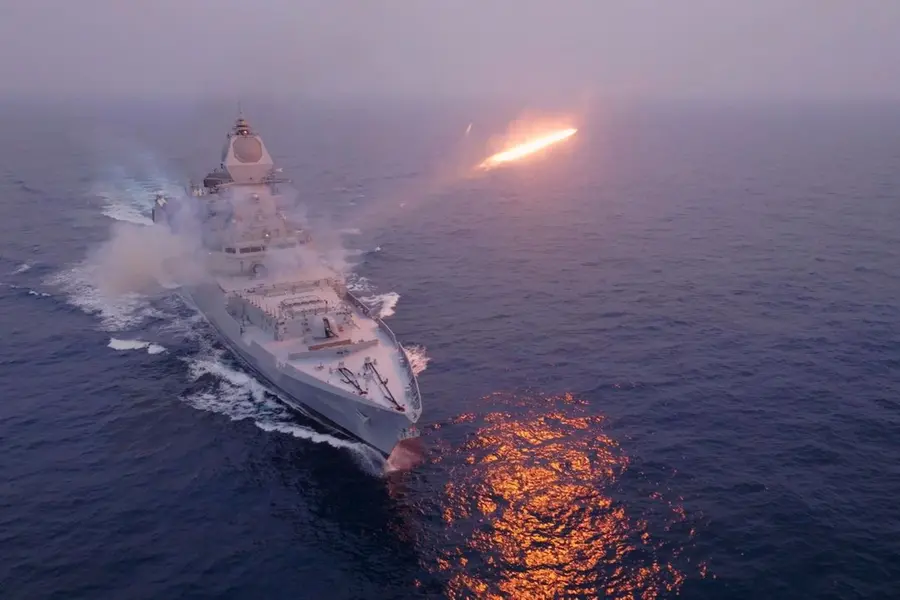

- Under Project 17A, the Indian Navy recently inducted a new stealth frigate (often referenced as “Taragiri”) — marking progress in India’s maritime modernization efforts.
- This warship is reported to have advanced stealth features, modern radar and missile systems, and will bolster India’s capability for coastal defense, blue-water operations, and maritime security.
- The addition reflects ongoing emphasis on self-reliance in defense manufacturing and strategic thrust on naval preparedness amid evolving regional security dynamics.
Human Resources & Capability Building — India’s Focus on Skill Development
- The performance in WSAC 2025 underscores India’s broader push for skill development and vocational training as part of national strategy to build a capable workforce — which indirectly aids defence-related industries as well.
Education, Skills & Youth Highlights
India’s Debut at WSAC 2025: Positive Outcomes for Vocational Skills
- As previously mentioned, India’s first-ever participation generated respectable results: 1 Silver, 2 Bronze and 3 Medallions for Excellence at WSAC 2025, placing India in 8th position overall.
- This indicates growing emphasis on technical and vocational education, pushing youth engagement toward new-age trades — boosting employability beyond traditional academic routes.
Promoting Rural Livelihoods: Agriculture & Allied Sectors on Upswing
- With record foodgrain output, expansion of irrigation, and government-supported schemes strengthening agriculture, rural livelihoods are getting a major boost.
- This trend may lead to reverse migration from urban centers, and improved rural incomes — favourable for balanced socio-economic development.
International & Global Developments
Maritime Influence & Global Shipping Governance — India’s Role Strengthened
- Through re-election to the IMO Council, India’s voice in global maritime governance is stronger. This enhances India’s ability to influence international shipping regulations, environmental standards for maritime transport, and global maritime security norms.
- The re-election comes at a time when global maritime trade is evolving, with shifts toward green shipping, decarbonization, and digitalization — areas where India has strategic interest.
Global Skill & Talent Benchmark — Asia’s Technical Competition & India’s Entry
- Participation in WSAC 2025 represents India’s willingness to compete at continental levels in vocational and technical skills, reflecting its ambitions to produce globally competitive talent across trades.
Social, Culture & Public-Policy Updates
Agriculture, Food Security, and Rural Development
- With record foodgrain production and government’s support via irrigation, farming subsidies, and improved outreach — agriculture remains a cornerstone for rural welfare and food security.
- These developments may help stabilize food inflation, enhance buffer stocks, and possibly support export of surplus grains.
Health & Awareness — Continuing Fight Against HIV/AIDS
- Observance of World AIDS Day 2025 in India reaffirmed nationwide efforts to tackle HIV/AIDS through prevention, treatment, and awareness, with support from institutional frameworks like NACO.
- The 2025 theme aims to address disruptions caused by global crises to health systems, emphasizing resilience and inclusivity.
What to Watch — Emerging Trends & Long-Term Implications
| Domain | Key Trend / Signal | Significance / What to Watch |
|---|---|---|
| Maritime & Global Trade | India’s stronger role in IMO & maritime governance | Expect more Indian influence on shipping norms, green-shipping policies, and blue-economy growth. |
| Agriculture & Rural Economy | Record production and rural income improvement | Potential reduction in food inflation, improved rural livelihoods, balanced urban-rural migration. |
| Skill & Vocational Education | Success at WSAC 2025, increasing emphasis on vocational training | Shifting youth focus to trades, better employability, boosts for manufacturing & allied sectors. |
| Defence & Security | Induction of new stealth frigate; modernization push | Strengthening India’s maritime defence posture; strategic leverage in Indian Ocean region. |
| Public Health & Social Welfare | Renewed HIV/AIDS awareness and sustained policy support | Strengthening health systems, reducing stigma, strengthening inclusive healthcare coverage. |
| Development Financing & Infrastructure | Loans from multilateral bodies like ADB for sustainable projects | Progress in renewable energy, urban transport, ecological restoration — supporting long-term growth. |
Detailed Context & Analysis
Why IMO Re-election Is More Than Symbolic
Re-election to the global maritime body’s executive council grants India a stronger seat at the table when regulations affecting global shipping, environmental standards, maritime security, and trade logistics are debated. As demand for maritime trade rises worldwide, especially with shifting supply-chains and cost pressures, India — with its growing ports, shipping lanes, and strategic location — stands to benefit significantly. This aligns well with India’s long-term vision of strengthening its blue economy.
Agriculture’s Record Output – A Turning Point
Achieving 357 million tonnes is not merely a number — it speaks of cumulative successes in policy reforms, farmer-oriented schemes, climate-resilient farming, increased coverage of irrigation, and wider use of modern techniques. For a country with rising food demands and large rural population, this level of production helps ensure food security, reduce import dependence, stabilize prices, and improve rural incomes — which in turn fuels domestic consumption and economic growth.
Skill Development & Vocational Focus — New Direction for Youth
The decent showing at WSAC 2025 suggests a shift from purely academic credentials to skill-based employability. For a country with a large working-age population, this can lead to stronger industrial growth, better manufacturing workforce, and new opportunities in services, technology, and trades. Over time, this can also reduce under-employment and contribute to national economic resilience.
Defence Modernization & Strategic Preparedness
Adding modern warships and ramping up defence manufacturing is strategic, especially given shifting geopolitics, rising maritime challenges, and the need for deterrence and maritime security. Indigenous shipbuilding, along with skilled workforce and better naval infrastructure, positions India to safeguard its maritime interests, trade routes, and contribute to regional stability.
Health & Inclusive Welfare — Building Resilience
Observing World AIDS Day amidst evolving global health challenges reaffirms that public health remains a priority. Maintaining continuous access to treatment, reducing stigma, integrating HIV-AIDS response into broader health systems — all these contribute to stronger health infrastructure and resilience against future pandemics or disruptions.
Suggestion for Further Monitoring
- Track policy roll-outs post-successful grain harvest: MSP revisions, export quotas, buffer stock deployments.
- Monitor how India leverages its IMO Council seat — announcements on green shipping, maritime safety, ocean governance.
- Watch for initiatives expanding vocational training, skill-based education — especially in manufacturing and service sectors.
- Keep an eye on defence procurement and commissioning schedules — for warships, submarines, naval infrastructure.
- Assess public health campaigns after World AIDS Day — see if testing, treatment access, and awareness continue beyond the day.
- Follow development financing — how ADB-backed projects translate at ground level: solar irrigation, metro projects, ecological restoration.
1 December 2025 has been a day of multiple significant developments across different domains — maritime diplomacy, agriculture, infrastructure financing, skill education, defence modernization, and social welfare. These are not just news headlines; they reflect deeper structural shifts in India’s priorities: toward sustainability, self-reliance, inclusive growth, and strategic placement in global governance.
For students, aspirants, policymakers, and informed citizens — the implications will play out in the coming years. The real value lies not just in the events themselves, but in how India leverages them to build a robust, resilient, and forward-looking nation.