
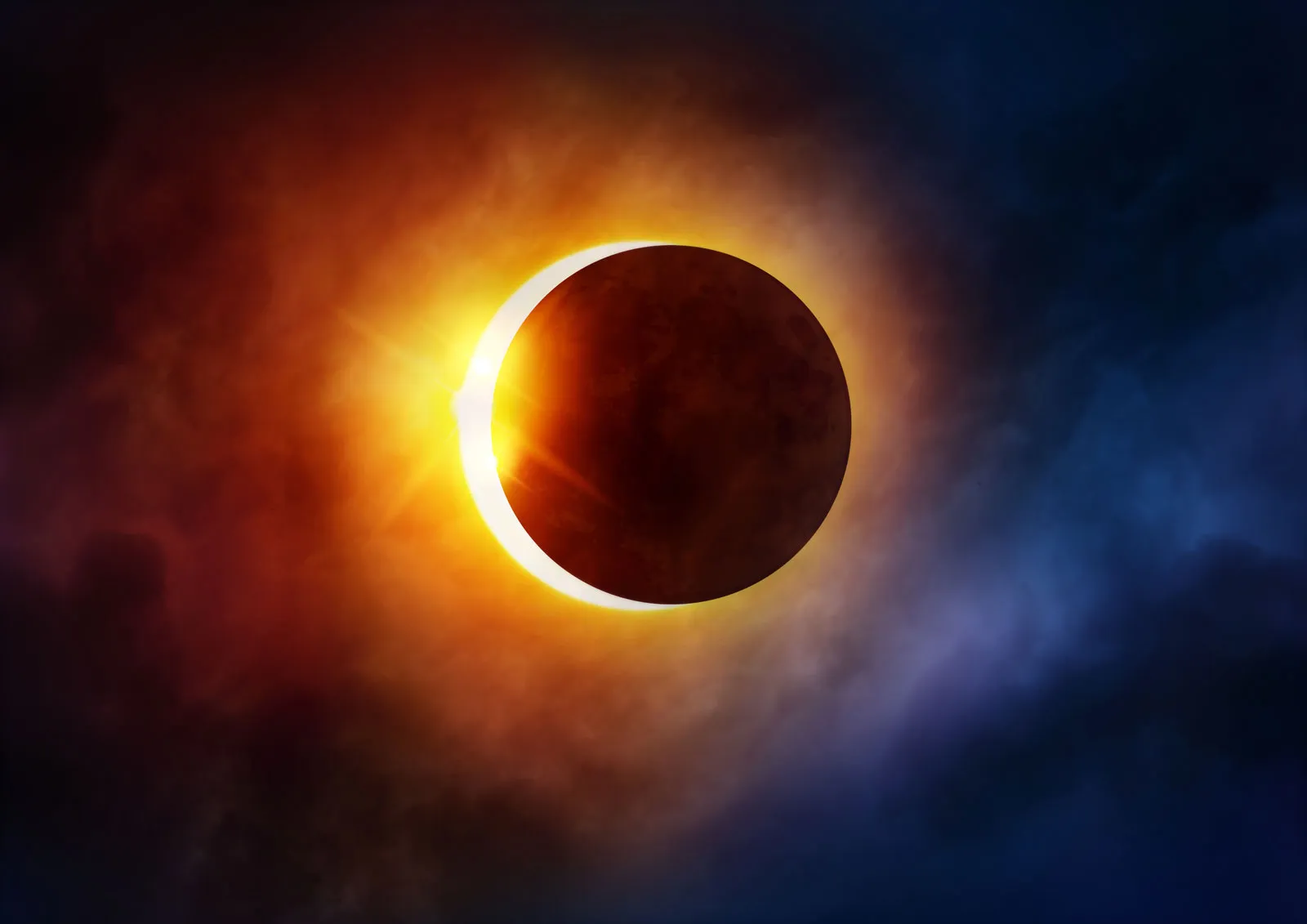
On March 29, 2025, a partial solar eclipse will occur, offering a celestial spectacle for skywatchers in certain parts of the world. While not as dramatic as a total solar eclipse, this event will still captivate those within its visibility path. Here’s everything you need to know about the eclipse, including where it will be visible and the best times to observe it.
What is a Partial Solar Eclipse?
A partial solar eclipse happens when the Moon passes between the Sun and Earth but does not completely cover the Sun. Instead, it obscures only a portion of the Sun’s disk, creating a crescent-shaped Sun for viewers in the eclipse’s path.
Where Will the Eclipse Be Visible?
The March 29 partial solar eclipse will be visible in:
- North America (northwestern regions)
- Europe (parts of the north and west)
- Northern Asia
- The Arctic region
Unfortunately, India and most of Asia, Africa, and South America will not witness this eclipse.
Timing of the Eclipse
The eclipse will begin at approximately 10:11 AM UTC and end around 1:31 PM UTC, with the maximum eclipse occurring at 11:43 AM UTC. The duration and visibility will vary depending on the observer’s location.
How to Safely Watch the Eclipse
Looking directly at the Sun—even during a partial eclipse—can cause serious eye damage. To safely observe the event:
- Use eclipse glasses with ISO-certified filters.
- Employ a pinhole projector for an indirect view.
- Avoid using regular sunglasses, binoculars, or telescopes without proper solar filters.
While the March 29 partial solar eclipse won’t be visible everywhere, it remains an exciting event for those in the right locations. Always prioritize eye safety when viewing any solar eclipse. Stay tuned for more astronomical events in 2025!