
Washington, D.C. – November 28, 2025
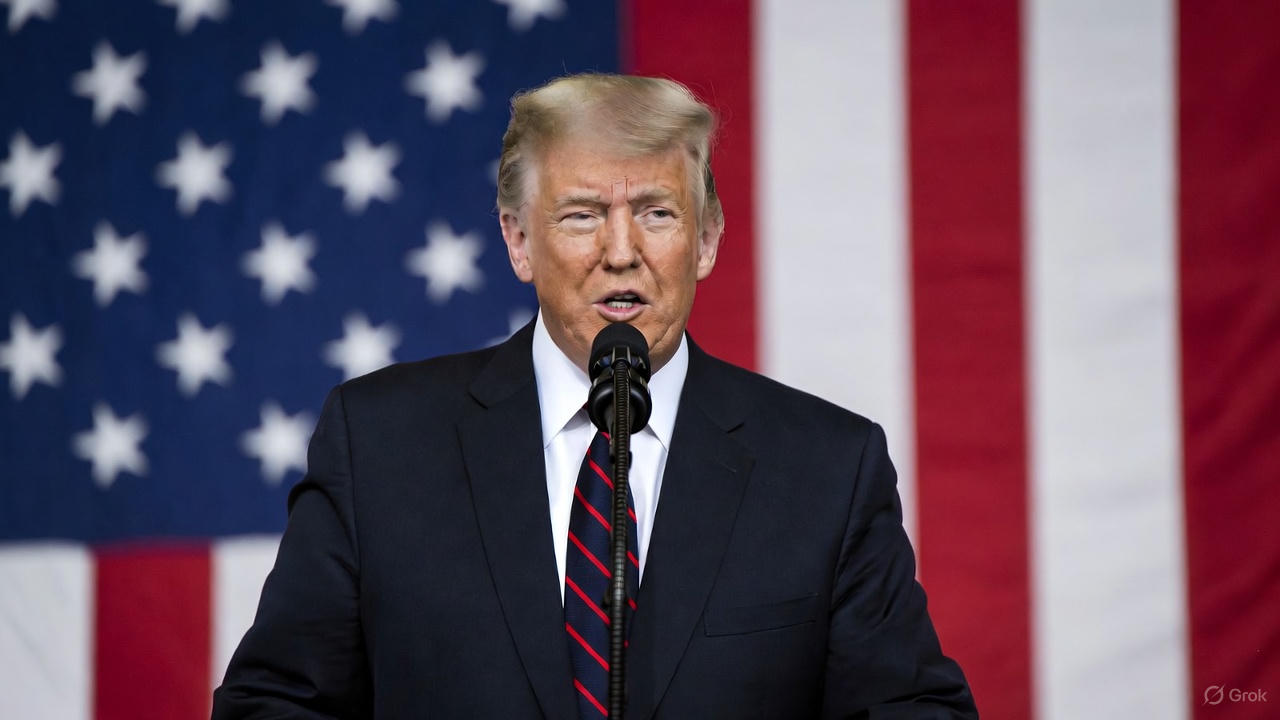
In a dramatic Thanksgiving-night statement, President Donald Trump declared a permanent halt to all migration from what he called “Third World Countries,” citing the fatal shooting of a National Guard soldier near the White House as the final straw.
Trump’s Sweeping Vision: ‘Reverse Migration’ and a Full System Reset
The announcement came hours after 20-year-old Army Specialist Sarah Beckstrom died from wounds sustained in Wednesday’s ambush. The suspect, 29-year-old Afghan national Rahmanullah Lakanwal, had entered the United States in 2021 during the Biden administration’s evacuation of Kabul and was granted asylum earlier this year.
Speaking from Mar-a-Lago, Trump told troops by video link that Beckstrom had passed away, then immediately turned to immigration policy:
“I am announcing a permanent pause on migration from all Third World Countries until our system fully recovers. We will terminate millions of illegal admissions under Biden, end federal benefits for non-citizens, and begin the largest deportation operation in American history. Only reverse migration can fix this.”
Key points of the new policy include:
- Immediate suspension of all immigration from dozens of countries previously flagged for security or economic concerns
- Full audit of every green card issued to citizens of those nations
- Termination of welfare, housing, and medical benefits for non-citizens
- Mass deportation of anyone deemed a public charge, security risk, or “incompatible with American values”
- Special focus on refugees and parolees from Afghanistan, Somalia, Yemen, Haiti, and Venezuela
Trump singled out Minnesota’s large Somali community and criticized Rep. Ilhan Omar by name, claiming certain immigrant groups had “taken over entire cities” while remaining openly hostile to the United States.
Reaction Across the Country
Reaction was swift and polarized. Supporters hailed it as the strongest border-security measure in decades. Critics called the language xenophobic and warned of massive economic disruption in agriculture, construction, and technology sectors that rely on immigrant labor.
Legal experts predict immediate court challenges, noting that blanket nationality-based bans have been struck down in the past, while others point out that Congress — not the president alone — ultimately controls immigration law.
As of Friday morning, the Department of Homeland Security has already begun implementing parts of the directive, including a freeze on new asylum applications from the affected countries.
The sweeping announcement caps a turbulent Thanksgiving week in the capital and sets the stage for what could become the defining domestic battle of Trump’s second term.
What Happens Next
The Department of Homeland Security has already begun implementing parts of the directive, including a freeze on new asylum applications from affected countries. The coming weeks and months are likely to bring court battles, protests, and a fierce national debate over the future of immigration in America.
As a winter storm bears down on the East Coast this holiday weekend, one thing is clear: the immigration fight that defined Trump’s first term has returned—bigger, bolder, and more controversial than ever.
About the Author: Abhijeet Kumar is a current expert with 10 years of experience in mentoring aspirants and specializes in current affairs strategy for UPSC.