
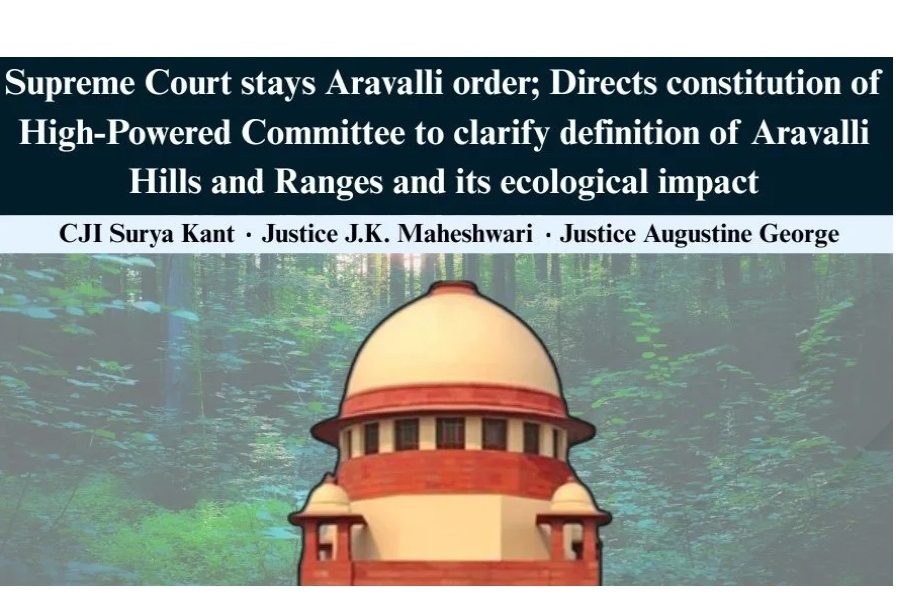
The Aravalli Range, one of the oldest mountain systems in the world, has been at the center of environmental debates in India for decades. Recent Supreme Court judgements on the Aravalli mining ban have highlighted the ongoing struggle between development and conservation. This article explores the Aravalli Supreme Court judgement timeline, including the November 2025 order and its stay on December 29, 2025, while delving into the Aravalli Range’s crucial role in India’s weather system, environmental protection, cultural aspects, and regional identity. As concerns over illegal mining in Aravalli hills escalate, understanding these elements is vital for sustainable development.
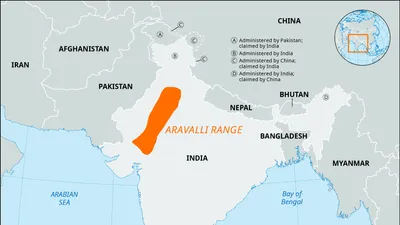
Mapping the Aravalli Range
The Aravalli mountains stretch approximately 670 km from Delhi through Haryana, Rajasthan, and into Gujarat, dividing Rajasthan into arid western and fertile eastern regions.
Historical Timeline of Supreme Court Interventions on Aravalli Protection
The Supreme Court’s involvement in protecting the Aravalli Range dates back to the 1990s, focusing on curbing illegal mining, deforestation, and encroachments that threaten this ancient ecosystem. Here’s a detailed Aravalli Supreme Court judgement timeline:
- 1996: The Supreme Court prohibited mining and construction in parts of the Aravallis in Faridabad, Haryana, following reports of severe ecological degradation from pollution control boards.
- 2002: Multiple orders restricted mining activities in Haryana’s Aravalli regions after the Central Empowered Committee (CEC) uncovered widespread illegal operations.
- Mid-2000s: The court issued regulations requiring environmental impact assessments, prohibited mining without clearances, and ordered the removal of illegal encroachments in sensitive Aravalli areas.
- February 2010: A bench rejected Rajasthan’s 100-meter height rule for classifying Aravalli hills, directing the Forest Survey of India (FSI) to conduct a comprehensive scientific survey.
- October 2010: Based on FSI and CEC reports, the court identified over 40,000 sq km of Aravalli terrain, emphasizing slopes and buffers to combat illegal mining.
- 2018: In key cases like T.N. Godavarman Thirumulpad v Union of India, the court addressed mining damage in Rajasthan, noting the “vanishing” of 31 hill features due to illegal activities, and ordered immediate halts. Another order directed demolitions in Faridabad’s Kant Enclave for violating forest laws.
- 2023-2024: Prohibitions on land allotments in Delhi’s morphological ridge and contempt notices for illegal tree felling underscored the Aravalli’s role as urban “lungs.”
- October 2025: The court paused Haryana’s Aravalli Safari Park project amid ecosystem damage concerns.
- November 11, 2025: Granted statutory status to the Delhi Ridge Management Board for better oversight.
This timeline reflects the court’s evolving stance on Aravalli environmental protection, balancing mining interests with conservation.
The November 2025 Judgement: Redefining Aravalli for Mining
On November 20, 2025, the Supreme Court accepted the Centre’s definition of Aravalli hills as landforms rising 100 meters above surrounding plains, potentially opening lower areas to mining. This Aravalli Supreme Court ruling directed a sustainable mining plan but faced criticism for excluding vital lower ridges essential for groundwater recharge and biodiversity. Environmentalists argued it could exacerbate illegal mining in Aravalli hills, leading to protests.
December 2025 Stay: A Reversal for Aravalli Conservation
In a significant turnaround, on December 29, 2025—just 40 days later—the Supreme Court stayed its November 20 order, putting the 100-meter definition in abeyance amid public outcry and ecological concerns. The bench, led by the Chief Justice, proposed a high-powered committee for expert review, with the next hearing set for January 21, 2026. This stay on Aravalli order highlights 2025 as a year of judicial flip-flops, prioritizing environmental risks over rushed development. The government welcomed the decision, emphasizing the need for scientific reassessment.
Illegal mining remains a persistent threat to the Aravalli ecosystem.
Environmental Role of the Aravalli Range
The Aravalli Range plays a pivotal environmental role in India, acting as a natural barrier against desertification by halting the Thar Desert’s eastward expansion into the Indo-Gangetic plains. It supports biodiversity with dry deciduous forests, home to species like leopards, hyenas, and peacocks, and features wildlife corridors linking sanctuaries. The range recharges groundwater, prevents soil erosion, improves air quality, and serves as a watershed for rivers like the Chambal, Sabarmati, and Luni. Conservation efforts, including biodiversity parks, underscore its importance in combating habitat loss from urbanization and mining.
The lush hills of the Aravalli provide a stark contrast to surrounding arid lands.
Aravalli’s Influence on India’s Weather System
In India’s weather system, the Aravalli Range is indispensable. It influences monsoon winds, blocking cold westerly winds and guiding clouds eastward, contributing to rainfall patterns in northern India. The range creates varied microclimates: humid subtropical in the north, arid in the center, and tropical in the south. By arresting desert sands, it stabilizes regional climate and prevents extreme weather shifts, making it a key player in climate resilience amid global warming.
Cultural Aspects and Historical Identity of the Aravalli Range
Culturally, the Aravalli Range holds deep significance, with its name derived from Sanskrit “ara-vali,” meaning “line of peaks.” As India’s oldest fold mountains, formed nearly two billion years ago, it links to ancient civilizations like the Indus Valley, with evidence of mining from 4000 BCE and copper production in the Ganeshwar Sunari Cultural Complex. It embodies regional identity for communities in Rajasthan, Haryana, and Gujarat, supporting livelihoods through minerals and forests while featuring in folklore and history as a symbol of endurance. The range’s eroded stubs represent India’s geological heritage, fostering a sense of cultural pride and environmental stewardship.
Safeguarding the Aravalli for Future Generations
The Aravalli Supreme Court judgement timeline, culminating in the December 2025 stay on the mining order, signals hope for balanced conservation. As the Aravalli Range continues to shape India’s environment, weather, culture, and identity, protecting it from threats like illegal mining is essential. Policymakers must prioritize sustainable practices to preserve this ancient guardian of the subcontinent. For more on Aravalli environmental importance and cultural significance, stay updated on judicial developments.